AI Won’t Replace Recruiters - But Recruiters Using AI Will Replace Others
The Fear Around AI in Recruitment
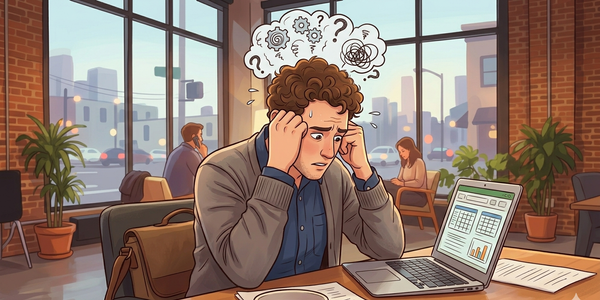
Every time AI enters an industry, the first question people ask is ‘Will humans lose their jobs?’ I’ve noticed this concern not only among professionals in hiring but also among freshers and job seekers who feel the hiring process is becoming more robotic and less human.
And honestly, the fear makes sense.
Today, AI tools can screen resumes in seconds, schedule interviews automatically, analyze candidate responses, and even predict hiring outcomes based on data. Companies are adopting these tools quickly because they save time, reduce manual work, and make large-scale hiring easier. Naturally, many people assume that if AI can handle so many recruitment tasks, recruiters may no longer be needed.
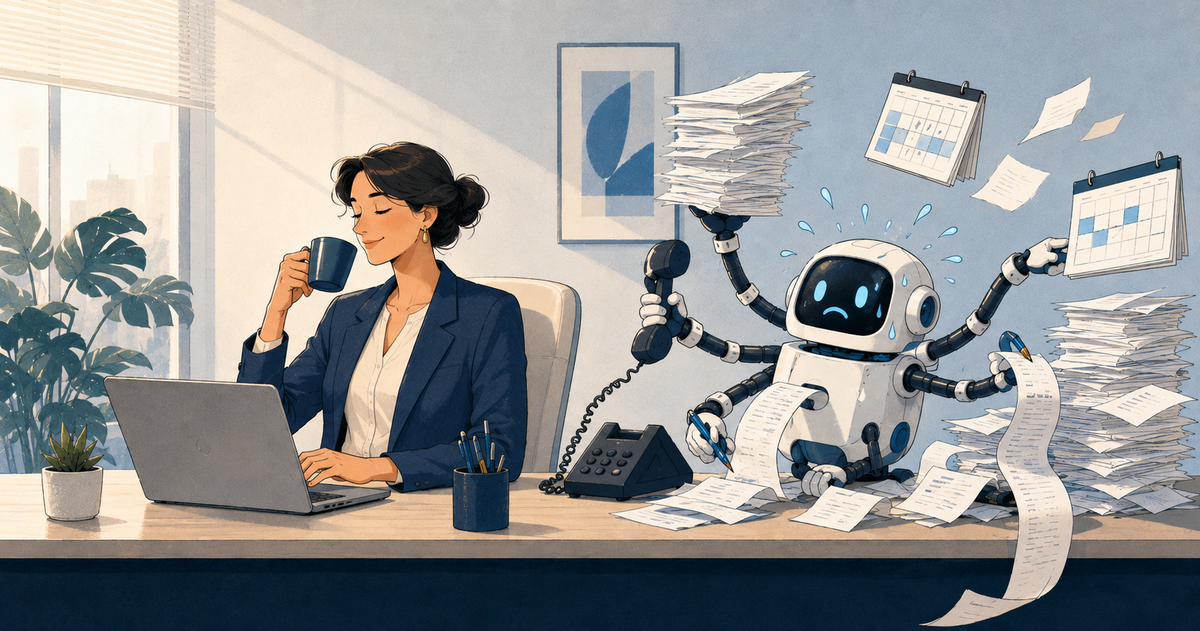
And honestly, after exploring a few recruitment AI tools myself, I realized AI isn’t here to steal the recruiter’s chair, it’s here to remove the chaos around it.
Recruitment has never been only about filtering resumes or sending interview emails. It’s about understanding people, building trust, judging potential, and creating meaningful candidate experiences. These are things technology can support, but will not fully replace.
The real shift happening right now is this: recruiters who learn how to use AI effectively are gaining an advantage over those who avoid it.
Recruitment Has Always Been About People
At its core, recruitment has never been just about resumes, job descriptions, or filling open positions, it has always been about people. Behind every application is a person with goals, insecurities, ambitions, and experiences that cannot always be measured through scores or keywords.
Over time, the hiring process has changed a lot. We moved from paper resumes to online applications, from walk-in interviews to virtual meetings, and now to AI-assisted hiring. But one thing has remained constant: the human connection still matters the most. A candidate may look perfect on paper, but conversations often reveal qualities like adaptability, curiosity, communication, and emotional intelligence, things technology alone cannot fully judge.
One thing I’ve slowly realized while learning about recruitment is this: no matter how advanced technology becomes, recruitment has always been about people. Resumes, job descriptions, interview tools, and AI platforms are all part of the process, but at the center of it all, there’s still a human being looking for the right opportunity..
Sometimes, the best candidates aren’t the ones with the perfect keywords on their resumes- they’re the ones who show confidence, curiosity, and a willingness to learn. A resume can highlight skills, but it can’t fully capture attitude, adaptability, or potential. In many cases, a curious and adaptable person grows faster and contributes more than someone who simply checks every box on paper. At the end of the day, people connect with people, and I believe recruitment will always revolve around that.
“No AI can fully detect the ‘this candidate just feels right for the team’ moment recruiters often experience.”
The Real Problem Recruiters Face Today
What I’ve noticed is how overwhelming the volume of applications can be. Between job portals, LinkedIn applications, referrals, and even AI-generated resumes, it becomes difficult to identify genuine potential. Sometimes the strongest candidate isn’t the one with the most polished resume but the one who’s adaptable, curious, and eager to learn.
Another thing I’ve realized about recruitment today is that the real problem isn’t just finding candidates , it’s finding the right ones while managing everything at once. Hiring has become incredibly fast-paced, and recruiters are expected to do much more than simply fill open positions. From screening endless resumes and scheduling interviews to maintaining candidate relationships and meeting hiring deadlines, the pressure is constant.
What makes it even more challenging is how candidate expectations have changed. People now want quick responses, smooth communication, and a hiring experience that feels personal. And honestly, I get it. If a company takes too long to respond or the process feels confusing, candidates often move on to another opportunity.
That’s why I believe recruitment today is less about simply hiring fast and more about balancing technology with human understanding. Tools and AI can definitely help, but good hiring decisions still need empathy, intuition, and real human connections.
When I started learning more about recruitment workflows, I noticed recruiters spend so much time managing processes that they barely get time to actually connect with candidates.
How AI Is Actually Helping Recruiters
From what I’ve seen, AI is actually making our work a lot more manageable.
a) Faster Resume Screening
One of the biggest ways AI helps is by speeding up resume screening. Going through hundreds of applications manually can take hours, especially when multiple roles are open at the same time. AI tools make this process much easier by quickly sorting resumes based on skills, experience, and keywords related to the job role.
b) Better Candidate Matching
AI also helps in finding candidates who genuinely match the role, not just on paper but sometimes based on patterns and skills that recruiters might overlook initially. I’ve seen tools recommend profiles based on previous successful hires, skill compatibility, and even adaptability.
AI tools can quickly shortlist profiles, which saves a huge amount of time and allows me to focus more on understanding the person behind the resume, which makes hiring feel smarter and more balanced.
c) Interview Assistance
Interview scheduling alone can become stressful when multiple people are involved. AI tools simplify this by automating schedules, sending reminders, and keeping communication organized. Some tools even provide interview summaries or structured feedback, which helps a lot during evaluations.
For technical or large-scale hiring, AI-based interview platforms can also assist with assessments and initial screening rounds, making the process quicker and more structured.
d) Reducing Repetitive Work
I’ve also noticed how AI helps improve communication. Automated scheduling tools, quick follow-up reminders, and even AI-generated interview summaries make the process smoother for both recruiters and candidates. Honestly, these small tasks take up more time than people realize.
AI can speed up recruitment and provide useful recommendations, but it isn’t always perfect. A resume may match the system but still not be the right fit, or vice versa. That’s why final decisions still need human judgment, real conversations, and understanding people beyond just data.
He Recruiters Who Ignore AI May Struggle
A few years ago, recruitment was mostly about manual effort - going through resumes one by one, scheduling interviews endlessly, and trying to manage everything at once. But now, the industry is clearly shifting. AI tools are helping recruiters screen resumes faster, organise candidate data, automate follow-ups, and even improve interview processes. And honestly, I’ve realised that ignoring these changes can make things much harder in the long run.
I often think about it like this: imagine two recruiters working on the same role. One is still handling everything manually, while the other uses AI to shortlist profiles, schedule interviews, and track candidates efficiently. The second recruiter naturally saves more time and can focus more on actual conversations and better hiring decisions instead of repetitive tasks.
That doesn’t mean AI replaces human judgment, not at all. It simply gives recruiters an advantage by helping them work smarter and faster. And in a fast-moving hiring market, speed genuinely matters. Sometimes, the best candidates are hired before slow processes even reach them. That’s why I feel recruiters who learn to work alongside AI will adapt much more easily than those who completely avoid it.
The competition is no longer human vs AI. It’s human using AI vs human avoiding it.
The Future of Recruitment Is Human + AI
I genuinely believe the future of recruitment isn’t about humans competing with AI - it’s about learning how to work alongside it. From what I’ve seen, AI can make hiring faster, more organized, and way less repetitive. It helps with things like screening resumes, scheduling interviews, and finding relevant candidates in less time.
But at the end of the day, recruitment still feels deeply human to me. A tool can analyze data, but it can’t fully understand someone’s ambition, personality, or potential the way a recruiter can through real conversations. That human connection still matters a lot.
I think the recruiters who will grow the most are the ones who combine technology with empathy, communication, and good judgment. Because in the future, it won't just be AI leading recruitment - it'll be people who know how to use AI wisely.
At the end of the day, I don't think AI is here to replace recruiters like me - it's here to make us better at what we already do. The real value still comes from human connection, understanding people, and making the right hiring decisions with empathy. I see AI - and tools like Skillbrew.ai especially - as something that helps me work smarter, while I focus more on conversations and relationships that actually matter.
What do you think will AI replace recruiters, or simply change the way we hire?