Why Open Source Is the Best Career Accelerator for Students
I used to dread technical interviews. The algorithms, the pressure, the whiteboard. But after doing open source, something shifted.
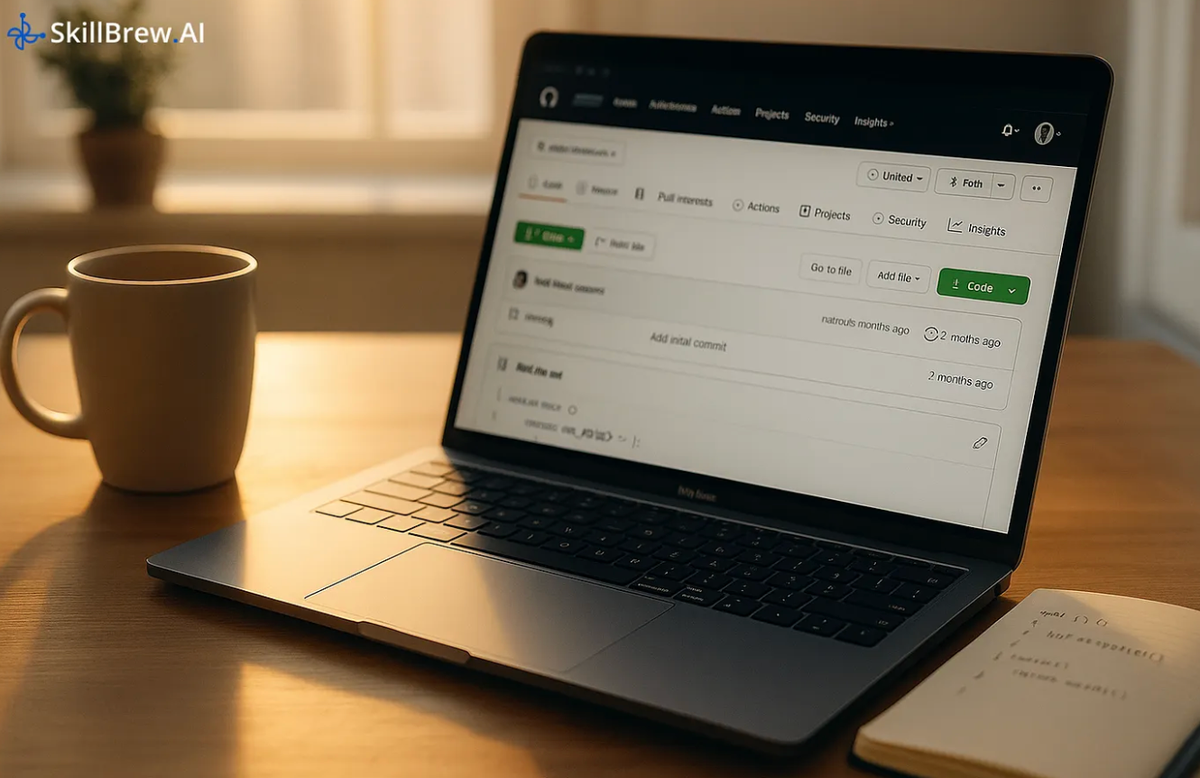
We’ve seen it happen countless times. A student makes their first pull request — hands shaking, unsure if their tiny documentation fix is even worth submitting. Then comes that magical moment: the maintainer merges it and leaves a simple “Thanks for contributing!” comment. Something clicks.
Fast forward a few months, and that same student has contributed to multiple projects, learned skills no classroom could teach, and is landing interviews specifically because of their open source work. If you’re a student wondering how to stand out or actually build skills that matter, here’s why open source might be the career accelerator you’ve been looking for.
The Real-World Classroom Nobody Talks About
Here’s the thing about college assignments: they’re sanitized. You get a clean problem statement, starter code that actually works, and maybe 2–3 classmates to collaborate with. The real world? It’s messy, codebases have 50,000 lines you’ve never seen before, and you’re working with developers across six time zones.
Open source throws you into that chaos — but in the best way possible. You learn to read other people’s code (a skill they never taught me in Data Structures). You figure out how to navigate a massive codebase without getting lost. You understand why documentation matters because you’ve been the confused newcomer staring at poorly explained functions.
We’ve heard from students who spent three days just understanding how one feature worked in a Python web framework. Three days! But that struggle taught them more about software architecture than an entire semester of lectures.
Building a Portfolio That Actually Impresses
Let’s be honest — your college projects aren’t that exciting to recruiters. Another to-do list app? A student management system? They’ve seen thousands.
But open source contributions? That’s different. Students we’ve mentored now talk in interviews about:
- Bugs they fixed in libraries used by 10,000+ developers
- How they improved test coverage for DevOps tools
- Times they refactored legacy code that had been sitting untouched for years
These aren’t hypotheticals. These are real problems solved for real users. And recruiters can actually go look at the code, see PR discussions, and watch how students handle feedback. A GitHub profile becomes a portfolio — and it’s public, verifiable, and impressive.
You’re Not Just Learning Code
The biggest surprise for many students isn’t the technical skills. It’s everything else.
They learn how to communicate with people they’ve never met face-to-face. How to write clear PR descriptions that explain not just what changed, but why. How to give and receive code reviews without taking things personally. How to work asynchronously when collaborators are asleep while they’re awake.
One student told us about a PR that got rejected — not because the code was bad, but because they hadn’t explained their approach properly. The maintainer left detailed feedback, and they revised it. The second version got merged. That back-and-forth taught more about professional software development than any textbook ever could.
These “soft skills” are what actually set people apart in the job market. And you can’t really learn them from assignments graded by a professor.
Starting Feels Impossible (But It’s Not)
I know what you’re thinking because I thought it too: “I’m not good enough to contribute to open source.”
Wrong.
My first five contributions were:
- Fixing a typo in documentation
- Adding a missing example to a README
- Updating an outdated dependency
- Writing a test for an existing feature
- Improving error messages
Notice what’s missing? Genius-level code. Revolutionary features. None of that.
Open source needs all kinds of help. Documentation is often terrible because developers would rather write code. Tests are boring so they get skipped. Simple bugs sit unfixed because maintainers are busy with bigger things.
Start small. Find a project you actually use (it’s easier to contribute when you care about the tool). Look for issues labeled “good first issue” or “beginner-friendly.” Read the contributing guidelines. Ask questions — most communities are shockingly helpful to newcomers.
The Network Effect Nobody Mentions
Here’s what I didn’t expect: the people.
Through open source, I’ve connected with senior developers at major tech companies, fellow students from universities around the world, and even a few project maintainers who’ve become mentors. These aren’t LinkedIn connections where you send a template message and never talk again. These are real relationships built through collaboration.
One maintainer I worked with introduced me to their team when they had an internship opening. Another gave me feedback on my resume. A fellow contributor and I now study system design together over video calls.
You can’t really build this kind of network sitting in lectures or grinding LeetCode alone in your room.